
Root Canal Treatment
Root Canal Treatment
Root Canal Treatment in Des Moines, IA
A throbbing tooth that keeps you up at night is your body asking for help, and the sooner it gets answered, the better your odds of keeping that tooth. At James Dental, we provide root canal treatment in Des Moines, IA for patients in Beaverdale and across the city, with same-day visits for people in pain and a straight answer about whether you actually need the procedure. Call (515) 850-5131 and let us take a look.
What Is a Root Canal and Why Would I Need One?
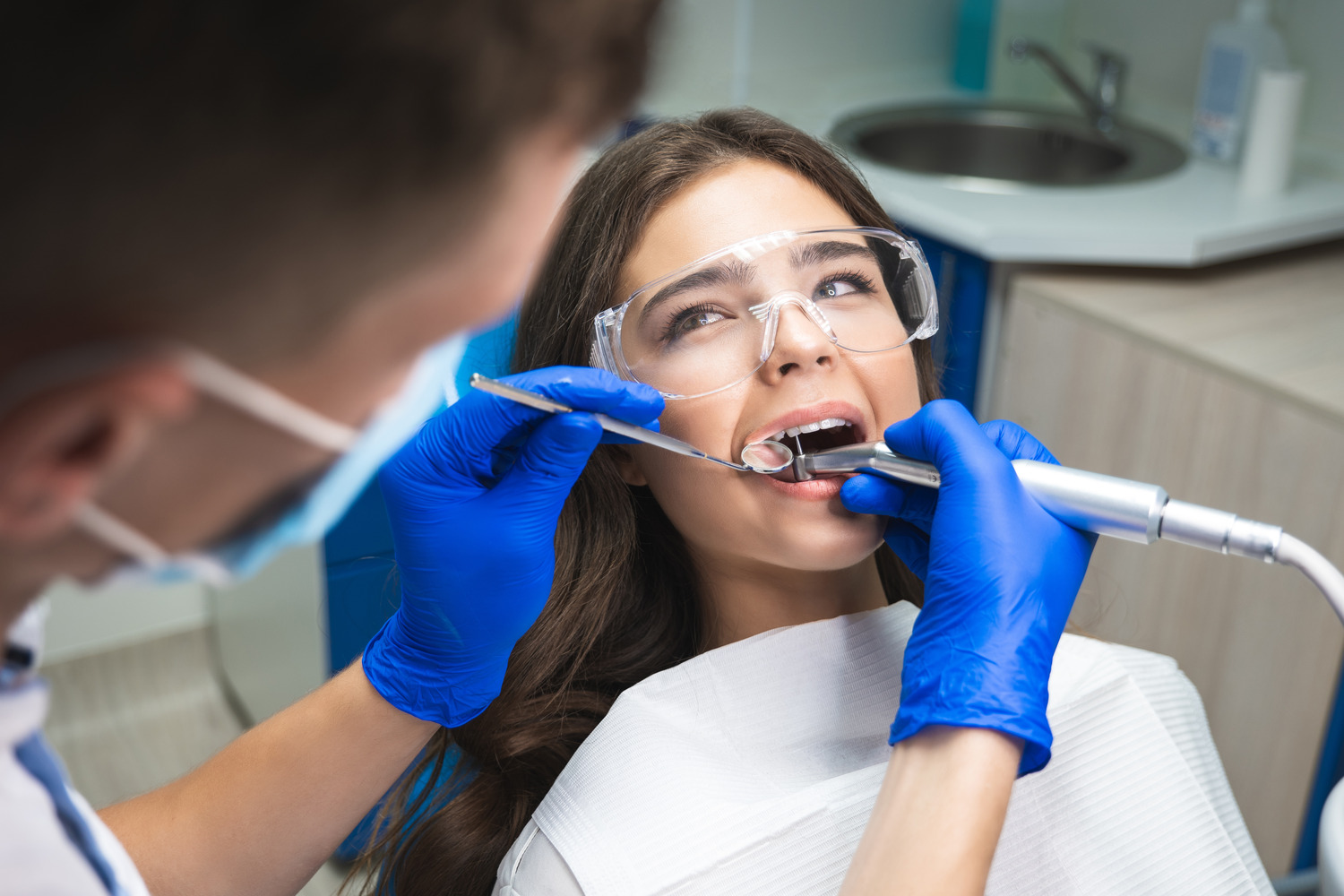
A root canal removes infected or inflamed nerve tissue from inside a tooth, disinfects the space, and seals it so the tooth can stay in your mouth. You need one when bacteria or an injury reach the pulp, the soft core of nerves and blood vessels at the center of every tooth.
Infected tooth pulp does not heal on its own. Deep decay, a hidden crack, a leaking old filling, or a hard hit during a pickup basketball game can all open the door, and left alone the infection can spread into the bone as a tooth abscess. Root canal therapy stops that process while keeping the tooth itself.
What Are the Warning Signs of an Infected Tooth?
The most common signs are lingering pain, sensitivity that outlasts the hot or cold, and swelling near the tooth. Watch for:
- Pain that throbs on its own or wakes you up at night
- Sensitivity to hot coffee or ice water that lasts 30 seconds or longer
- Tenderness when you bite down or chew
- A small pimple-like bump on the gums that may drain
- A tooth that has turned gray or darker than its neighbors
- Swelling in the gums, face, or jaw
Some infections are silent. Our AI radiograph analysis and CBCT imaging can catch a tooth infection at the root tip before it hurts, while the fix is still simpler.
Does Root Canal Therapy Hurt?
No. With the tooth properly numbed, the procedure should feel a lot like getting a filling. The pain people link to root canals almost always comes from the infection itself, and treatment is what relieves it. Most root canal pain myths trace back to outdated techniques and secondhand stories rather than what patients experience today.
We make sure you are completely numb before we start, Dr. C explains each step as he goes, and you can raise a hand for a break any time. Many patients say the worst part was the worrying beforehand.
What Happens During the Procedure?
We diagnose the problem, numb the area, clean out the infection, seal the canals, and protect the tooth. Here is what each stage looks like:
- Diagnosis: Digital X-rays and, when needed, a 3D CBCT scan map every canal, including small or curved ones that are easy to miss.
- Numbing: A dental anesthetic keeps the tooth and surrounding gums comfortable.
- Cleaning: Dr. C makes a small opening in the top of the tooth, removes the damaged pulp, then shapes and disinfects each canal.
- Sealing: The canals are filled with a biocompatible material and sealed to keep bacteria out.
- Protection: A filling or crown goes on top to restore strength and let you chew normally again.
Seeing the full anatomy first means fewer surprises and less chance that a missed canal causes trouble later.
How Long Does a Root Canal Appointment Take?
Most root canals take 60 to 90 minutes and are finished in a single visit. Front teeth usually go faster because they typically have one canal, while molars can have three or four and need more time.
A severe infection sometimes calls for two visits, with medication placed inside the tooth in between. If so, we will tell you up front so you can plan around it.
Can I Get Same-Day Emergency Root Canal Care?
Yes. When you call in pain, we aim to see you that same day and start treatment as soon as we know what is going on. An emergency root canal can relieve the pressure and throbbing during that first visit.
We keep our patient panel small on purpose, which leaves room for urgent problems. Evening hours Monday through Wednesday, from 6:00 to 9:00 PM, also let you get in without missing work.
Is Saving the Tooth Better Than an Extraction?
In most cases, yes. Keeping your own tooth preserves your bite, your jawbone, and the feel of natural chewing, and a well-treated tooth can last a lifetime. We will help you save your natural tooth when it makes sense, and never push a root canal on one that cannot be saved:
- Saving the tooth: Keeps the natural root in the bone, usually costs less over time, and needs no replacement tooth.
- Extraction: Removes the problem quickly but leaves a gap that often needs an implant or bridge to keep neighboring teeth from shifting.
If a tooth is cracked below the gum line or too broken down to restore, Dr. C will say so plainly and walk you through your options with no pressure either way.
Will I Need a Crown After Endodontic Treatment?
All back teeth need a crown after a root canal, while some front teeth do not. Molars and premolars take heavy chewing forces, and a tooth without its pulp becomes more brittle over time, so a crown protects it from cracking.
Here our in-house technology pays off. With our 3D scanner and milling machine, we can often make a same-day crown in our glass lab while you wait, with no messy impressions and no temporary crown to baby for two weeks.
How Much Does a Root Canal Cost?
The cost depends mainly on which tooth needs treatment, how many canals it has, and whether it needs a crown. Front teeth usually cost the least and molars the most. You get a written estimate after your exam, before any work begins, plus several ways to save:
- Our membership plan covers exams, cleanings, and X-rays and takes 10% off other treatment, including root canals and crowns.
- Patients who pay in cash receive a 5% discount.
- Through Cherry, we pay the interest on 3, 6, and 12 month payment plans.
- We are in network with Delta Dental and will help you understand your benefits.
We never recommend a procedure because insurance pays for it, and never skip a simpler option because it earns less.
What Is Recovery Like After a Root Canal?
Most people are back to work the next day, with mild soreness for two to three days that over-the-counter pain relievers handle well. The sharp, throbbing pain from the infection usually fades right away.
For a smooth root canal recovery, avoid chewing hard foods on that side until the final restoration is in place, and keep brushing and flossing as usual. Call us if swelling grows or pain worsens after the third day.
Why Choose James Dental for Root Canal Treatment
Patients choose us for an honest diagnosis, modern technology, and a dentist who explains every option. Dr. Jim Cholewa earned his DDS from Creighton University and served in the U.S. Army Dental Corps. That background shows up as precision, calm, and plain talk.
Root canals are part of our restorative dentistry care, which sits alongside our full range of general, cosmetic, and emergency dental services. Most cases are handled right here, and if yours truly needs a specialist, we will tell you and help coordinate the referral. What sets us apart:
- Straight answers about whether you need a root canal at all
- CBCT imaging, a 3D scanner, and AI radiograph analysis for accurate diagnosis
- Same-day crowns milled in our glass lab, where you can watch yours being made
- Priority emergency appointments and evening hours three days a week
- Family ownership, so the dentist treating you is the one making decisions about your care

Keep Your Natural Tooth with James Dental
If a tooth is aching, or you have been told you need a root canal and want an honest second opinion, we are glad to help. Call (515) 850-5131 or request your root canal appointment with our team at our Des Moines, IA office on Douglas Avenue, and let’s get you out of pain while keeping the tooth you already have.
